

Sale!
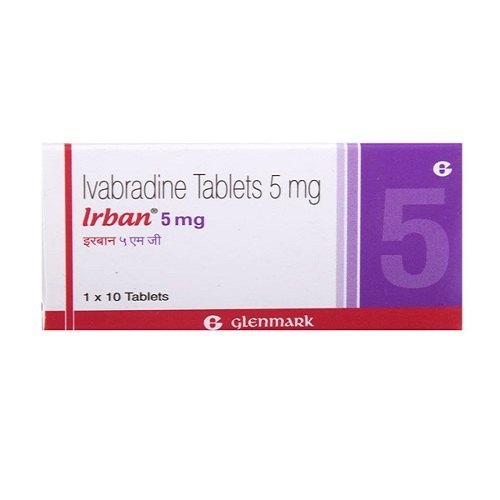
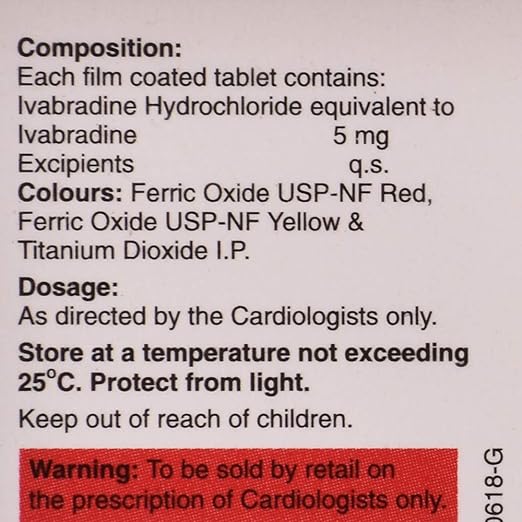
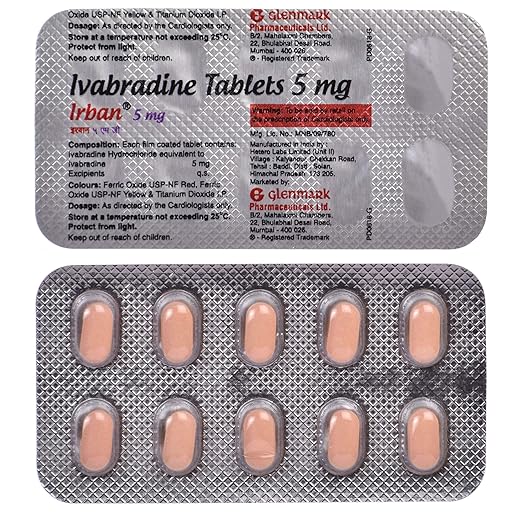
Irban 5 mg (Ivabradine)
Price range: $50.00 through $95.00
| Mg | No-of-tablets | Price | Quantity | |
|---|---|---|---|---|
| 5 Mg | 60 PILLS | Original price was: $190.00.$50.00Current price is: $50.00. | ||
| 5 Mg | 90 PILLS | Original price was: $270.00.$75.00Current price is: $75.00. | ||
| 5 Mg | 120 PILLS | Original price was: $390.00.$95.00Current price is: $95.00. |
Irban 5 mg – Manage Heart Rate, Improve Quality of Life
Living with chronic heart failure or angina can feel overwhelming, especially when symptoms like shortness of breath, chest discomfort, or rapid heartbeat limit your daily activities. That’s where Irban 5 mg steps in — a clinically proven medication designed to lower heart rate and help patients live more comfortably.
Irban 5mg is a trusted therapy for patients with chronic heart failure and stable angina who need effective heart rate control. With proven benefits such as reduced hospitalizations, better exercise tolerance, and improved quality of life, it plays a vital role in modern cardiology care.
Widely prescribed by cardiologists, Irban 5 mg tablets are effective in managing certain types of chronic heart conditions, supporting better exercise tolerance, and reducing hospitalizations related to heart failure.
What is Irban 5 mg?
Buy Irban 5mg (Ivabradine) online today from a reliable source, but make sure to consult your doctor before starting treatment.
Irban 5 mg contains Ivabradine, a selective sinus node inhibitor that slows down the heart rate without affecting blood pressure or heart contractility. This makes it especially useful in patients who cannot tolerate beta-blockers or need additional heart rate control.
Unlike many other heart medications, Ivabradine does not reduce the strength of the heartbeat — it simply regulates rhythm by acting on the sinoatrial node (the natural pacemaker of the heart).
According to the National Institutes of Health (NIH) and Mayo Clinic, ivabradine is particularly beneficial in patients with:
- Chronic heart failure with reduced ejection fraction (HFrEF)
- Stable angina (chest pain due to reduced blood flow to the heart muscle)
- High resting heart rate (>70 bpm) despite treatment
Benefits
Taking Irban 5 mg as prescribed can offer several important clinical benefits:
1. Heart Rate Reduction
Ivabradine selectively slows the sinus node, reducing heart rate without lowering blood pressure.
2. Improved Exercise Tolerance
By lowering resting heart rate, patients often experience less chest pain and better stamina during physical activity.
3. Reduced Risk of Hospitalization
Clinical trials demonstrated that ivabradine significantly reduced hospitalization rates in patients with chronic heart failure.
4. Safe Alternative for Beta-Blocker Intolerance
Some patients cannot tolerate beta-blockers due to asthma, low blood pressure, or fatigue. Ivabradine provides an effective alternative.
5. Better Quality of Life
Patients report reduced angina episodes, improved daily function, and fewer heart-related symptoms with regular use.
How Does Irban 5 mg Work?
Irban 5mg works by inhibiting the “funny current” (If) in the sinoatrial node, which is responsible for regulating heart rhythm. By slowing this current, Ivabradine decreases heart rate in a controlled manner.
- Primary action: Reduces heart rate at rest and during exercise
- Result: Less oxygen demand on the heart muscle, reduced angina, and improved efficiency of cardiac output
This targeted action makes it an essential therapy for heart failure and angina management.
Uses of Irban 5 mg
Doctors may prescribe Irban 5 mg for:
- Chronic Heart Failure (NYHA Class II–IV) with reduced ejection fraction (≤35%)
- Stable Angina Pectoris (chest pain triggered by exertion or stress)
- Patients with high resting heart rates despite optimal therapy
- Individuals intolerant to beta-blockers or needing combination therapy
Why Choose Irban 5 mg?
- Clinically backed by large trials
- Endorsed by leading heart associations such as the European Society of Cardiology (ESC) for specific heart failure cases
- Well-tolerated compared to other heart medications
- Provides symptom relief and improved lifestyle quality
Dosage
- Typical starting dose: 5 mg twice daily with food
- Adjustment: Based on heart rate and tolerance, may be increased to 7.5 mg twice daily
- Special cases: Elderly patients or those with low heart rate may start at 2.5 mg twice daily
Always take Irban 5 mg exactly as prescribed by your physician. Do not stop suddenly without medical advice.
Side Effects
Like all medications, Irban 5 mg (Ivabradine) may cause side effects, though not everyone experiences them. Common side effects include:
- Temporary luminous visual phenomena (seeing flashes of light, especially when moving from dark to bright environments)
- Slow heart rate (bradycardia)
- High blood pressure (hypertension)
- Dizziness or fatigue
- Headache
Rare but serious side effects: atrial fibrillation, heart block, or allergic reactions. If you experience chest pain worsening or fainting spells, seek immediate medical attention.
Drug Interactions
Irban 5 mg may interact with:
- Strong CYP3A4 inhibitors (ketoconazole, clarithromycin, ritonavir) – can raise ivabradine levels
- Calcium channel blockers like diltiazem or verapamil may excessively lower the heart rate
- Taking other drugs that lower the heart rate can increase the risk of bradycardia
Always provide your doctor with a list of all your current medications before starting ivabradine.
Safety Precautions
Before starting Irban 5 mg (Ivabradine), inform your doctor if you:
- Have a low resting heart rate (<60 bpm)
- Suffer from severe liver problems
- Have heart rhythm disorders like sick sinus syndrome or heart block
- Are you pregnant or breastfeeding (not recommended unless essential)
- Have uncontrolled low blood pressure
Patients should avoid grapefruit juice while taking Irban, as it may affect drug metabolism.
FAQs
1. What is Irban 5 mg used for?
It is prescribed to manage chronic heart failure and stable angina, especially in patients with high resting heart rates.
2. Can Irban 5 mg replace beta-blockers?
Not always. Ivabradine is used when beta-blockers are not tolerated or in combination when additional heart rate control is required.
3. How long does it take for Irban 5 mg to work?
Patients may notice improvements in symptoms like chest pain or shortness of breath within a few weeks, but full benefits occur after consistent use.
4. Is Irban 5 mg safe for elderly patients?
Yes, but doctors often start at a lower dose (2.5 mg twice daily) and monitor heart rate closely.
5. Can I drink alcohol while taking Irban 5 mg?
It is best to limit alcohol, as it may worsen dizziness or fatigue. Always ask your physician for guidance.
6. Does Irban 5 mg lower blood pressure?
Unlike many heart medications, Ivabradine does not significantly lower blood pressure, making it suitable for patients with borderline low blood pressure.
7. Do I need a prescription to buy Irban 5 mg?
Yes. Irban 5 mg is a prescription-only medicine and should be taken strictly under medical supervision.
| Generic-name | Ivabradine |
|---|---|
| Manufacturer | Glenmark Pharma |
| Packaging | 15 Tablets/strip |
| Strength | 5mg |
| Time-delivery | 8 – 15 DAYS |
Related products
-
Sale!
 Heart disease
Vymada 100 (Sacubitril/Valsartan 100 mg)
Price range: $69.00 through $109.00 Select options This product has multiple variants. The options may be chosen on the product page -
Sale!
 Heart disease
Vymada 200 (Sacubitril/Valsartan 200 mg)
Price range: $130.00 through $210.00 Select options This product has multiple variants. The options may be chosen on the product page -
 Heart disease
Apixazen 2.5mg (Apixaban)
Price range: $35.00 through $60.00 Select options This product has multiple variants. The options may be chosen on the product page -
 Heart disease
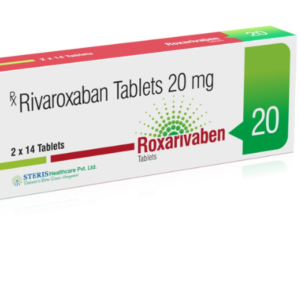
Roxarivaben 20 (Rivaroxaban)
$70.00 Select options This product has multiple variants. The options may be chosen on the product page


Reviews
There are no reviews yet.